Curfew Imposed in Ladakh Amid Violent Clashes; 50 Detained
A curfew has been imposed in Ladakh’s Leh district following violent clashes that resulted in four deaths and 89 injuries, leading to the detainment of 50 individuals.
 Duggar Samvad
 Authorities imposed a strict curfew in Leh, Ladakh, on Thursday, following violent clashes that erupted a day earlier, resulting in four fatalities and over 89 injuries. Police and paramilitary forces have detained at least 50 individuals connected to the unrest.
The situation escalated during a shutdown called by the Leh Apex Body (LAB), advocating for statehood and the extension of the Sixth Schedule to Ladakh. This protest turned violent on Wednesday as arson and street clashes engulfed Leh.
The agitation emerged after a plea from local activists supporting climate advocate Sonam Wangchuk, who had been on a hunger strike for climate action and regional demands. However, disruptions commenced when Wangchuk’s health deteriorated, leading to an urgent protest call by the LAB youth wing.
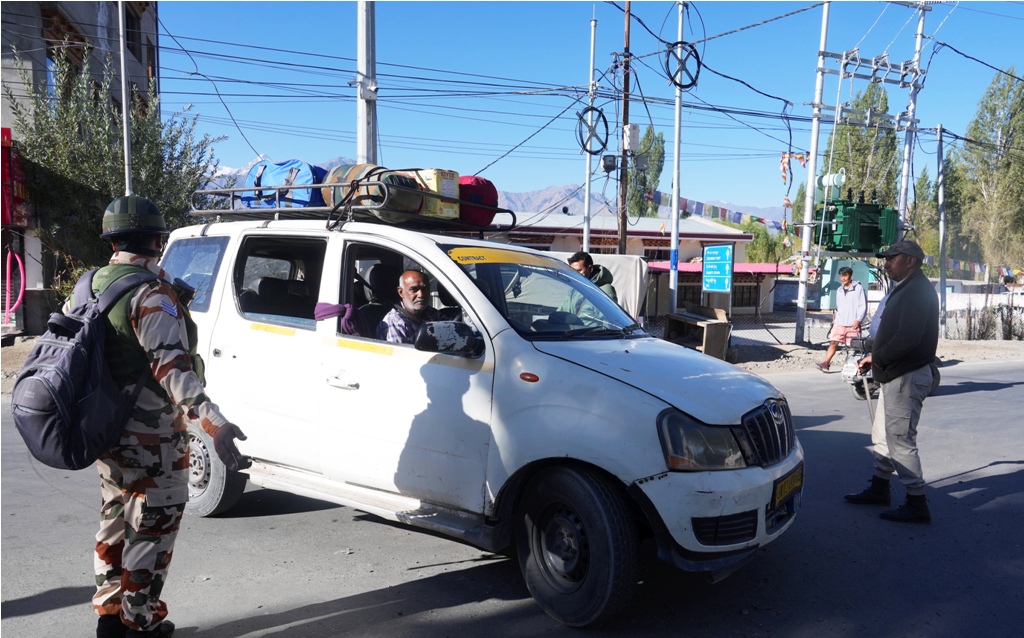
The police enforced strict prohibitory measures across critical towns, including Kargil. Assembly of five or more persons remains banned statewide as part of the curfew enforcement. Kargil District Magistrate Rakesh Kumar declared these measures under Section 163 of the Bharatiya Nagarik Suraksha Sanhita.
“The situation in the curfew-bound areas is well under control. Reports of violence are minimal as we actively monitor all developments,” said a police official. Authorities have ramped up police and paramilitary presence across various towns including Kargil, Zanskar, and Nubra.
Officials reaffirmed a ban on loudspeakers and public gatherings, aiming to maintain peace amid ongoing tensions in the region. The local administration has implemented strict communication guidelines to prevent any incitement to violence.
The conflict gained momentum as protestors escalated their actions, resulting in damage to government property including a BJP office in Leh. The Centre stated that “politically-motivated” actors influenced the violence and expressed commitment to fulfilling local aspirations while ensuring peace.
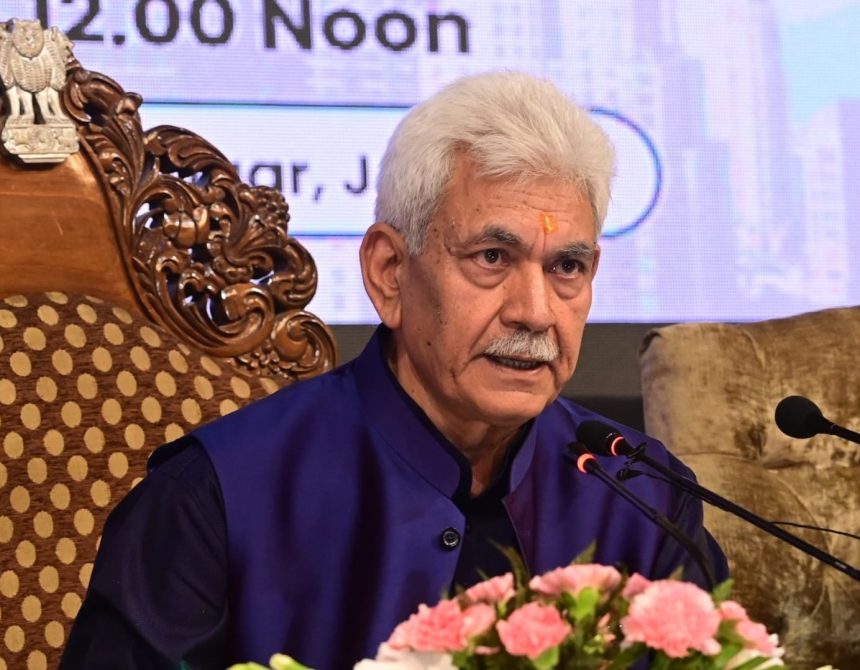
“The government stands committed to aspirations of the people of Ladakh by providing adequate constitutional safeguards,” the Home Ministry confirmed in a statement. Lt. Governor Kavinder Gupta condemned the violence, asserting that the events were not spontaneous but rather a result of premeditated conspiracies.
In light of the clashes, activist Wangchuk eventually called off his hunger strike, highlighting the detrimental impact of the unrest on their movement. “I urge the youth of Ladakh to refrain from violence and instead pursue our cause peacefully. We do not desire instability either in Ladakh or the country,” Wangchuk stated during an online press conference.
This contentiously-stirred uproar has been in the making for more than four years, with community leaders demanding more autonomy, fair representation, and essential legislative protections for Ladakh. The next round of talks with the Central government is scheduled for October 6, and repercussions from these discussions remain to be seen.
The circumstances surrounding the recent violence arise from a backdrop of frayed expectations and communicated needs from local communities. Stakeholders are now left to navigate the aftermath amid prevailing tensions. As the curfew continues, residents of Leh and Kargil, now in a state of uncertainty, await the outcomes of impending discussions and efforts to restore stability.