Sonam Wangchuk Detained Under NSA Sparks Outcry in Ladakh
Climate activist Sonam Wangchuk’s detention under the NSA and subsequent transfer to Jodhpur Jail has triggered massive reactions online, sparking protests in Ladakh.
 Duggar Samvad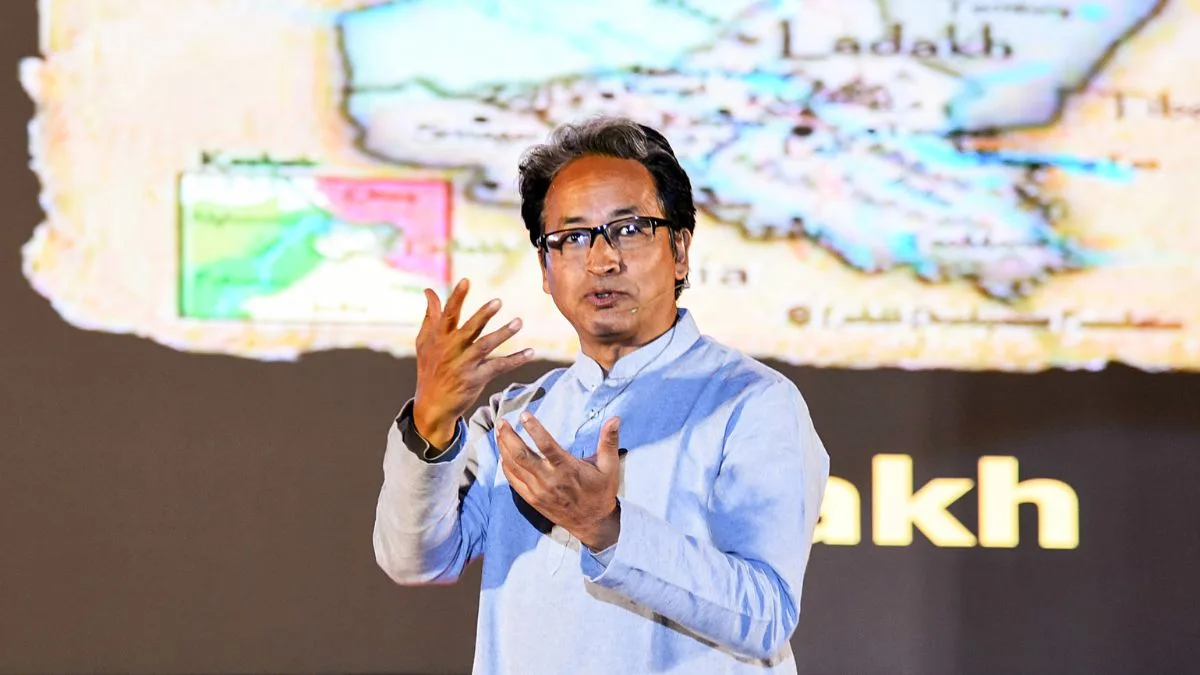
Climate activist Sonam Wangchuk has faced arrest under the stringent National Security Act (NSA), drawing significant backlash from the Ladakh community and netizens alike. The Ladakh administration confirmed Wangchuk’s transfer to Jodhpur Jail in Rajasthan a few hours after his arrest on Friday.
This unprecedented action follows violent protests advocating for Ladakh’s statehood and the implementation of the Sixth Schedule. The demonstrations escalated earlier this week, resulting in casualties that included four deaths and over 90 injuries due to police firing.
On September 10, Wangchuk began a 35-day hunger strike in Leh, urging immediate government action on statehood and environmental protection measures. Following severe unrest that erupted in the region on September 24, which resulted in tragic loss of life, the activist was compelled to end his fast just two weeks later.
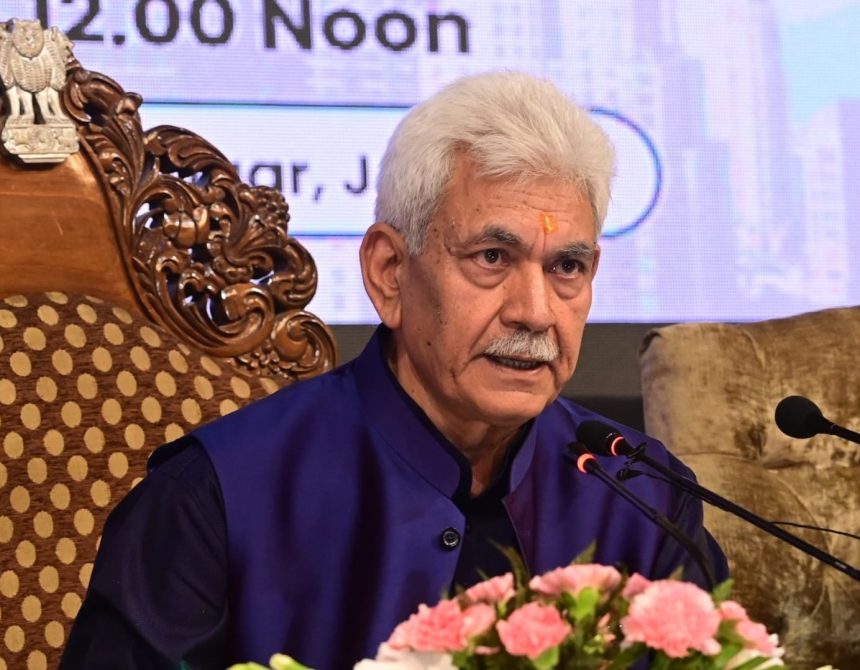
Social media platforms erupted with reactions to Wangchuk’s detention. Many labeled the day as a “black day” for Ladakh, airing frustrations over what they perceive as state repression. Additionally, calls for the resignation of Lt. Governor Kavinder Gupta have intensified, with critics blaming him for the police’s excessive use of force during the protests.
The official statement released by the administration at midnight read: “Sonam Wangchuk, S/o Shri Sonam Wangyal, R/o Uley Tokpo, Leh, has been detained under the National Security Act, 1980.” The announcement further justified the detention by stating that Wangchuk’s actions posed a threat to state security and indicated unrest.
The administration’s press release outlined severe accusations against Wangchuk, claiming he engaged in activities detrimental to peace and public order. Officials stated that despite clear communication regarding the High-Powered Committee (HPC) meeting and opportunities for dialogue, Wangchuk continued his hunger strike with apparent ulterior motives. His escalating rhetoric, which seemingly invoked movements like the Arab Spring, purportedly incited the protests leading to violence on September 24.
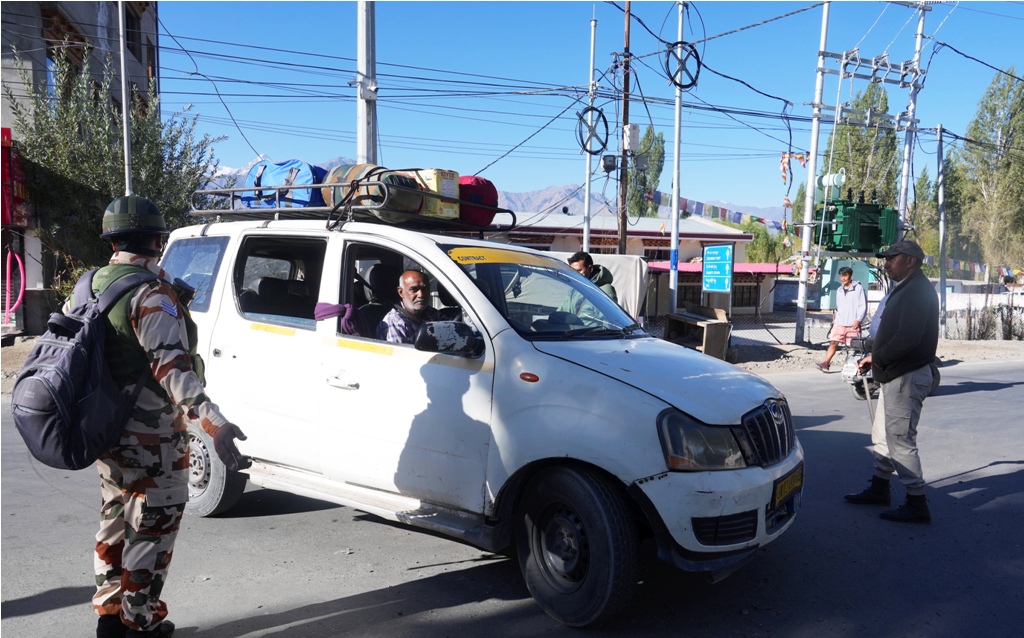
Authorities emphasized the need to restore normalcy in Leh, stating that keeping Wangchuk in the area could further destabilize the region. Consequently, the decision to transfer him to Jodhpur aimed to safeguard public tranquility, given the provocative nature of his recent statements.
This incident highlights a worrying trend in handling dissent and the administration’s preemptive measures against activist movements. Analysts suggest that such drastic steps could have long-term repercussions on civil liberties and the region’s socio-political landscape.
While the administration maintains that the situation requires strong action, public opinion remains deeply divided. Activists express concerns over the implications for freedom of speech and assembly, while government officials assert that maintaining order justifies their measures.
The ongoing dialogue surrounding statehood and environmental preservation continues to be a contentious issue in Ladakh, further complicating the relationship between the administration and its citizens.